You know that feeling when your home starts to feel a bit tired, and suddenly you’re itching to change something?
Maybe you’ve been scrolling through renovation ideas, dreaming about a fresh start, but you’re not ready to sell up, move house or commit to a major renovation. The thought of knocking down walls, months of disruption and tradies coming and going isn’t exactly appealing.
The good news is that transforming your home doesn’t always require a complete overhaul. In fact, some of the most affordable home renovation ideas are often the simplest ones; the kind that improve how your home looks, feels and functions without turning your life upside down.
Sometimes the biggest improvements come from making better use of the space you already have, especially outdoors.
Start with the Areas That Change How You Live
When it comes to renovating, many homeowners start in the wrong place.
They focus on the biggest, most expensive projects: kitchens, bathrooms, internal layouts and extensions, because that feels like “real renovation”. The reality is that these projects are often costly, time-consuming and heavily dependent on trades, approvals and budgets.
That’s why more homeowners are focusing on improvements that make everyday living better, without the cost and disruption of a full remodel.
A well-planned outdoor area, better indoor-outdoor flow, refreshed landscaping or improved street appeal can completely change how a home feels, often for a fraction of the cost of a major renovation.
In many homes, outdoor areas are either underused or completely disconnected from the main living spaces.
That’s a missed opportunity.
Outdoor areas directly affect:
- How you entertain
- How much usable space do you actually have
- How your home feels day-to-day
- How connected is your indoor and outdoor living
Common Home Upgrades That Don’t Deliver as Much as Expected
Not all renovations are equal.
Some projects look good on paper but don’t significantly change how you live in the space.
These often include:
- Minor cosmetic updates without improving functionality
- Feature-only kitchen upgrades
- Small bathroom refreshes that don’t solve practical issues
- Isolated room makeovers that don’t connect to the rest of the home
They improve appearance, but not necessarily lifestyle.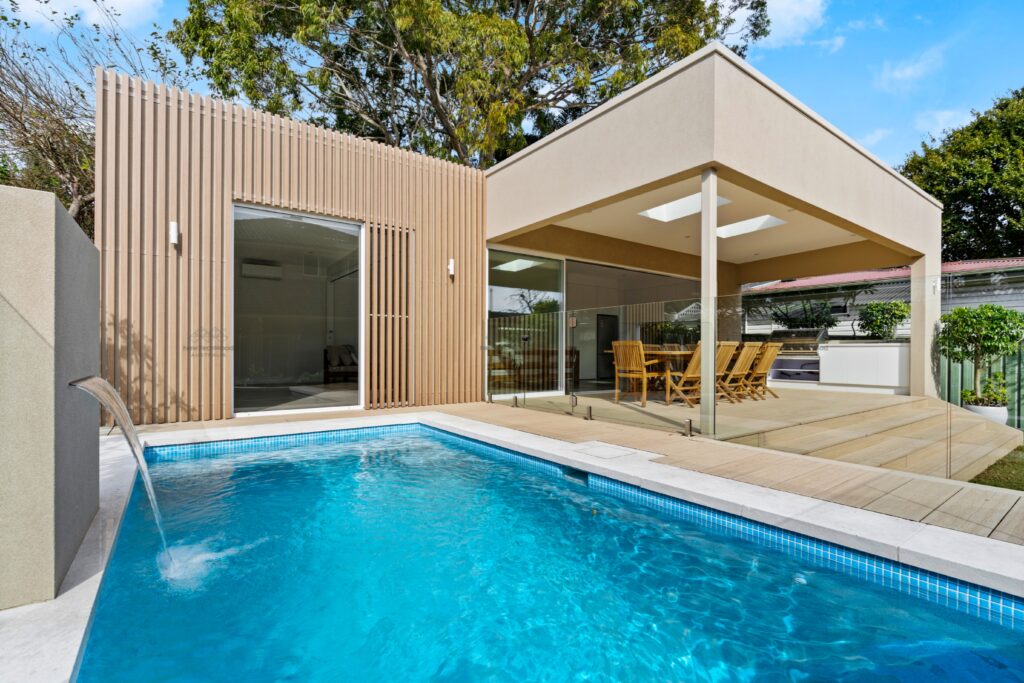
That’s why homeowners often feel like something is still missing after completing them.
Why Outdoor Improvements Often Beat Internal Renovations
A kitchen renovation might improve how your home looks inside.
But an outdoor upgrade can change how your entire home functions.
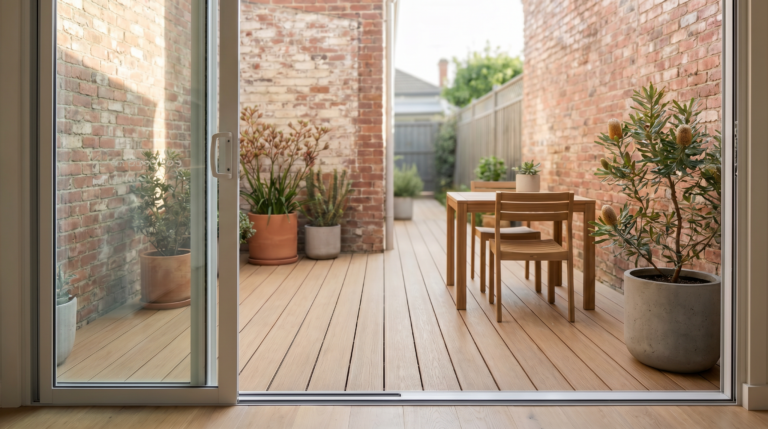
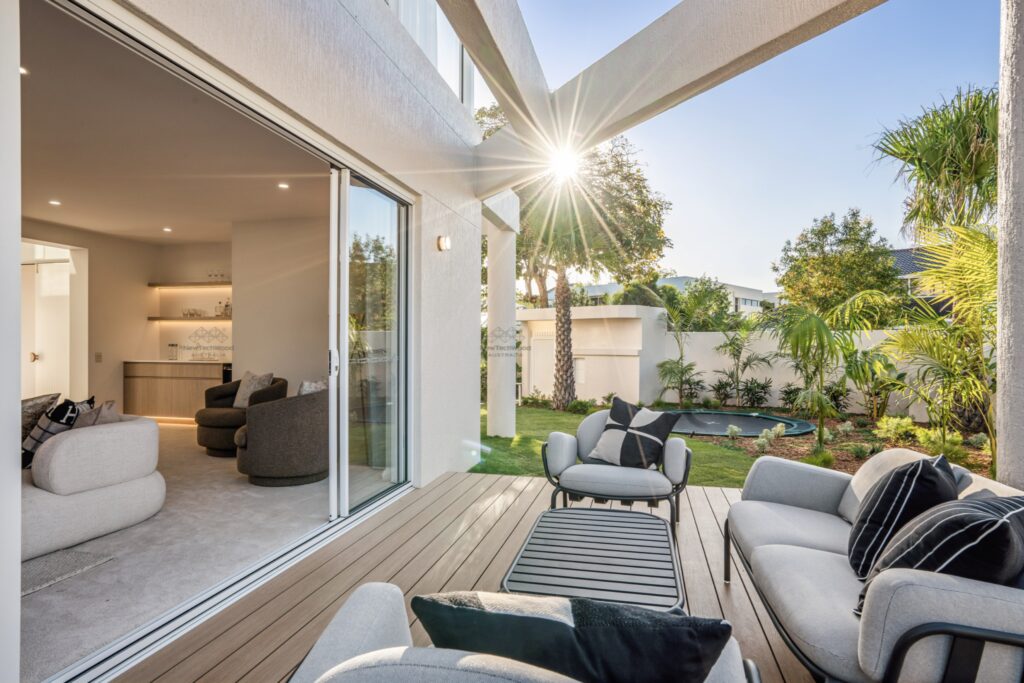
The truth is that people don’t spend time in outdoor spaces that feel impractical, uncomfortable or neglected. But when you create a seamless connection between indoors and outdoors, that space becomes an extension of your home rather than an area you occasionally walk through on the way to the clothesline.
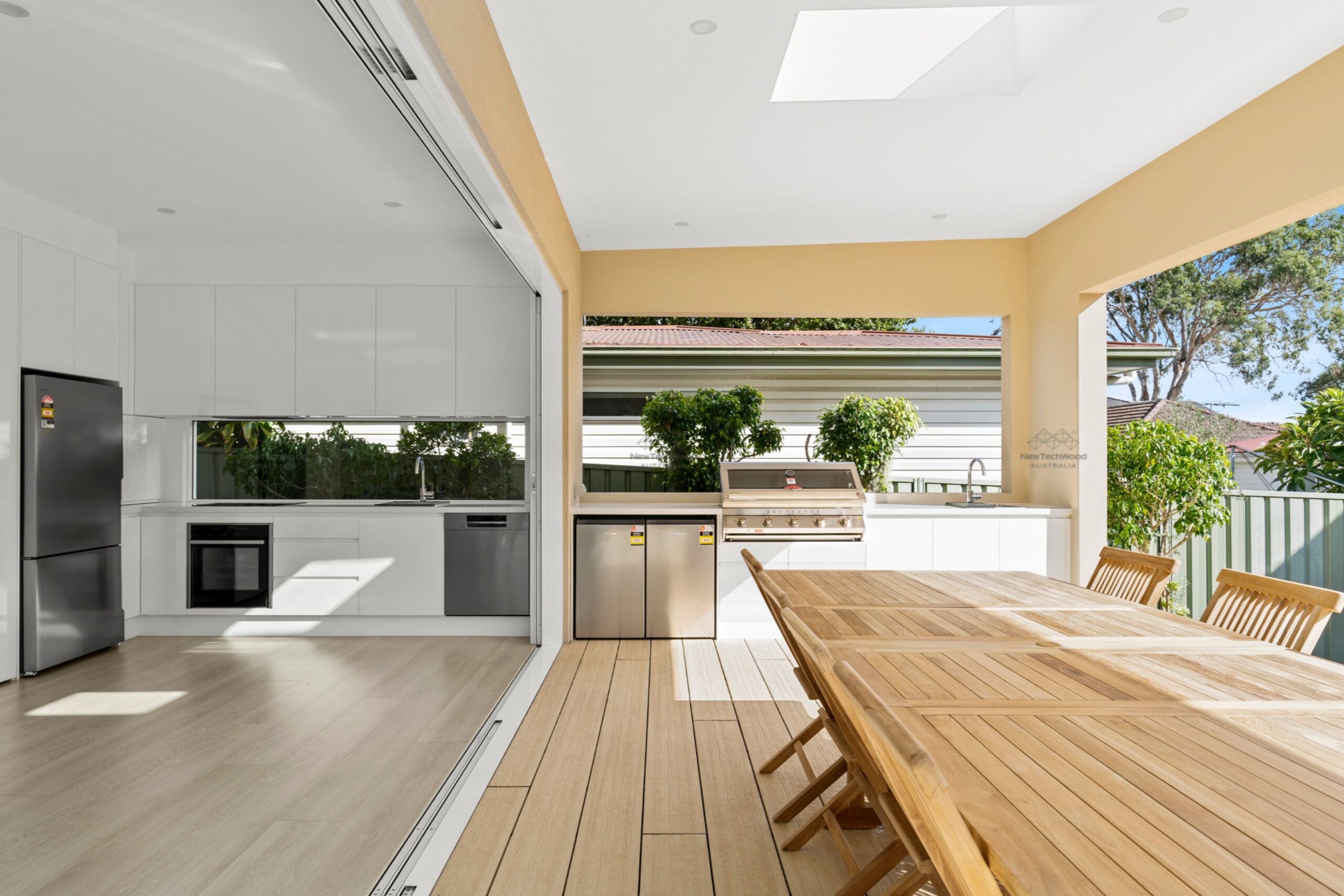
It becomes a place to entertain, relax and spend time with family. In many cases, a well-designed outdoor space effectively gives you a second living and dining area without needing to extend your home.
That’s why more homeowners are choosing to start outside.
Outdoor renovations can also improve how a home is perceived if you decide to sell. Buyers are often drawn to functional outdoor living spaces where they can picture themselves entertaining, relaxing and enjoying everyday life.
A well-designed deck or outdoor area can help a home feel more complete, more liveable and move-in ready.
They Add Usable Space Instantly
You’re not just improving a surface; you’re creating an entirely new living zone. Suddenly, your home’s usable space has grown without requiring an extension.
They Change How You Use Your Home Every Day
Morning coffee, weekend meals, family gatherings and entertaining friends all naturally shift outdoors when the space is comfortable and functional. Especially in Australia, where outdoor living is part of the lifestyle.
They Visually Lift the Entire Property
Even relatively small improvements can make the whole home feel more modern, cohesive and well cared for, from the front entry through to the backyard.
What Does a Smart Outdoor Renovation Actually Look Like?
When people hear “outdoor renovation”, they often picture a complete backyard makeover. In reality, some of the most effective transformations start with surprisingly simple projects.
It could be:
- Adding a small deck outside a kitchen or living area to improve indoor-outdoor flow
- Turning an unused corner of the backyard into a private retreat with decking and screening
- Creating a feature wall behind a pool, BBQ area or outdoor dining space
- Installing a compact plunge pool surrounded by low-maintenance outdoor finishes
- Refreshing tired brickwork, fence or rendered walls with modern cladding
Individually, these upgrades may seem small. Together, they can completely change how a home looks, feels and functions.
The best part? Many homeowners achieve these transformations in stages, improving one area at a time rather than committing to a major renovation all at once.
The Shift from Renovating Rooms to Renovating Lifestyle
The most noticeable change in modern home improvement is not just what people are renovating, but why.
Instead of asking:
“What room should we fix next?”
More homeowners are asking:
“How do we make the whole home work better for how we live?”
That shift often leads in one direction: making better use of outdoor space.
Because, once the outdoors becomes functional, the entire home can feel larger, more connected and more enjoyable without physically expanding it.
Where Outdoor Living Starts to Make a Difference
Before starting an outdoor renovation project, ask yourself:
- Is the outdoor area actually usable?
- Do we avoid it for most of the year?
- Does it feel connected to the home or completely separate from it?
- Is this a space where we genuinely spend time with family and friends?
- Could this area work harder for the way we live today?
If the answer is “not really”, that’s where the biggest opportunity often sits.
Simple Renovation Priorities That Deliver More Value
If you’re planning improvements, it helps to think in layers.
High-Impact, Low-Disruption Improvements
- Outdoor living areas
- Lighting upgrades
- Landscaping improvements
- Entryway improvements and street appeal
- Privacy screening and feature walls
Medium-Scale Improvements
- Kitchen updates
- Bathroom refreshes
- Flooring upgrades
High-Cost Structural Changes
- Extensions
- Layout changes
- Major internal rebuilds
The most effective strategy isn’t choosing one category over another. It starts with improvements that change how you use your home immediately.
And if you’re a capable DIY renovator, many outdoor upgrades can be completed progressively, allowing you to transform your space over time rather than all at once.
Why Outdoor Spaces Often Become the Heart of the Home
When designed well, outdoor areas stop being “backyard space” and become part of daily life.
They become:
- Dining areas
- Relaxation spaces
- Entertainment zones
- Family gathering places
- Quiet retreats
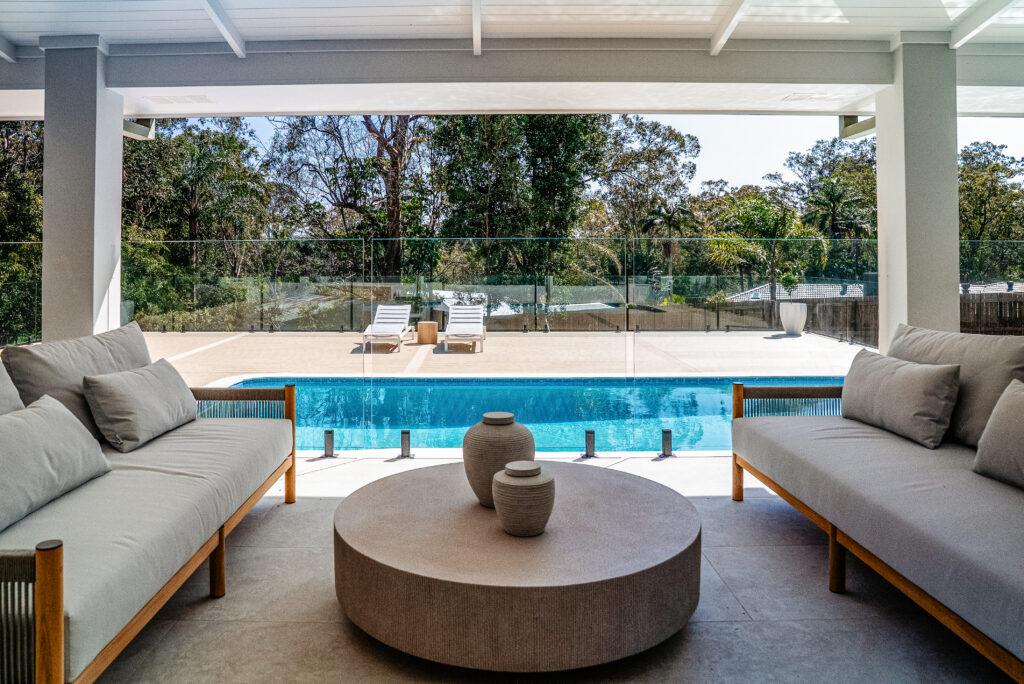
Unlike many internal renovations, they evolve with your lifestyle. The more you use them, the more valuable they become.
A home doesn’t always need to be bigger to feel better.
Sometimes it just needs to work harder, especially in the spaces you’re not fully using yet.
Before committing to a major renovation, it’s worth asking a simple question:
Are we upgrading rooms… or improving how we actually live in the home?
For many homeowners, the answer starts outside.